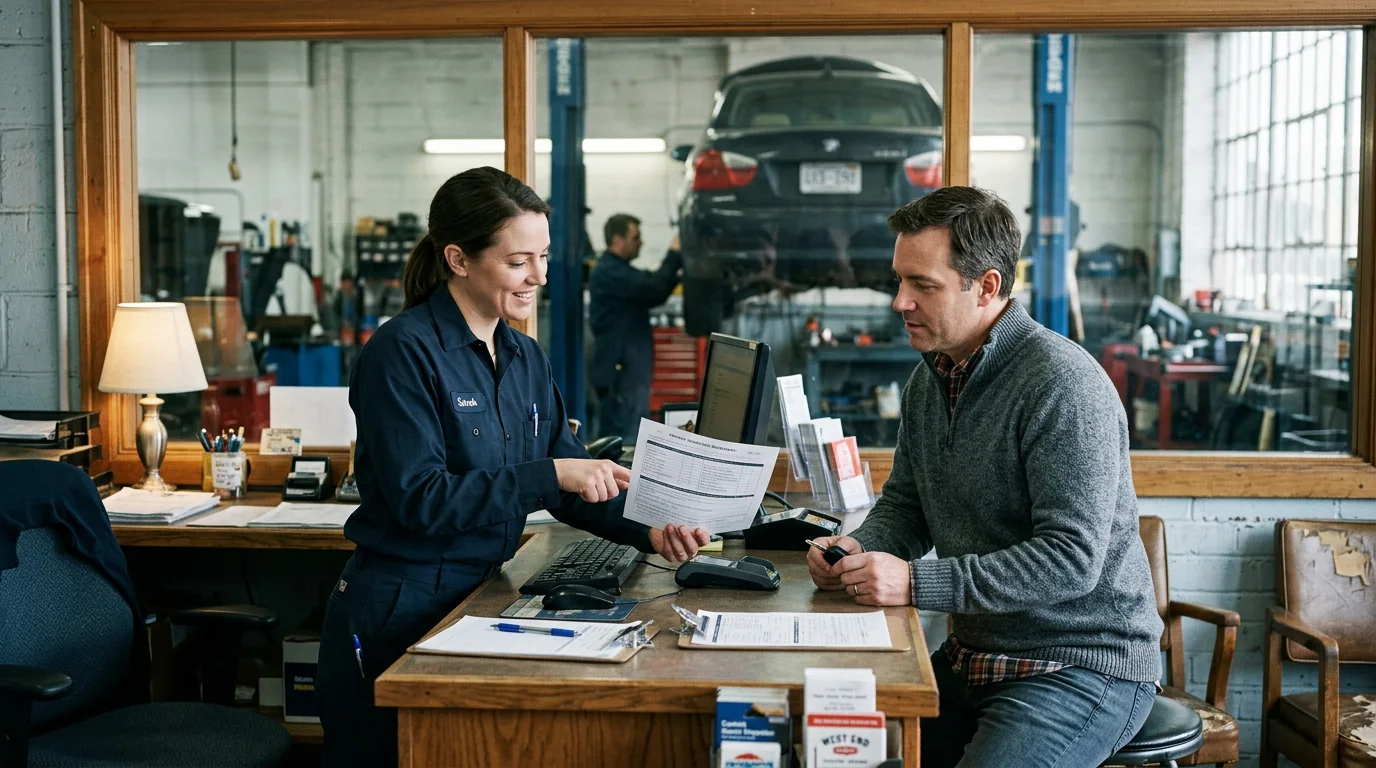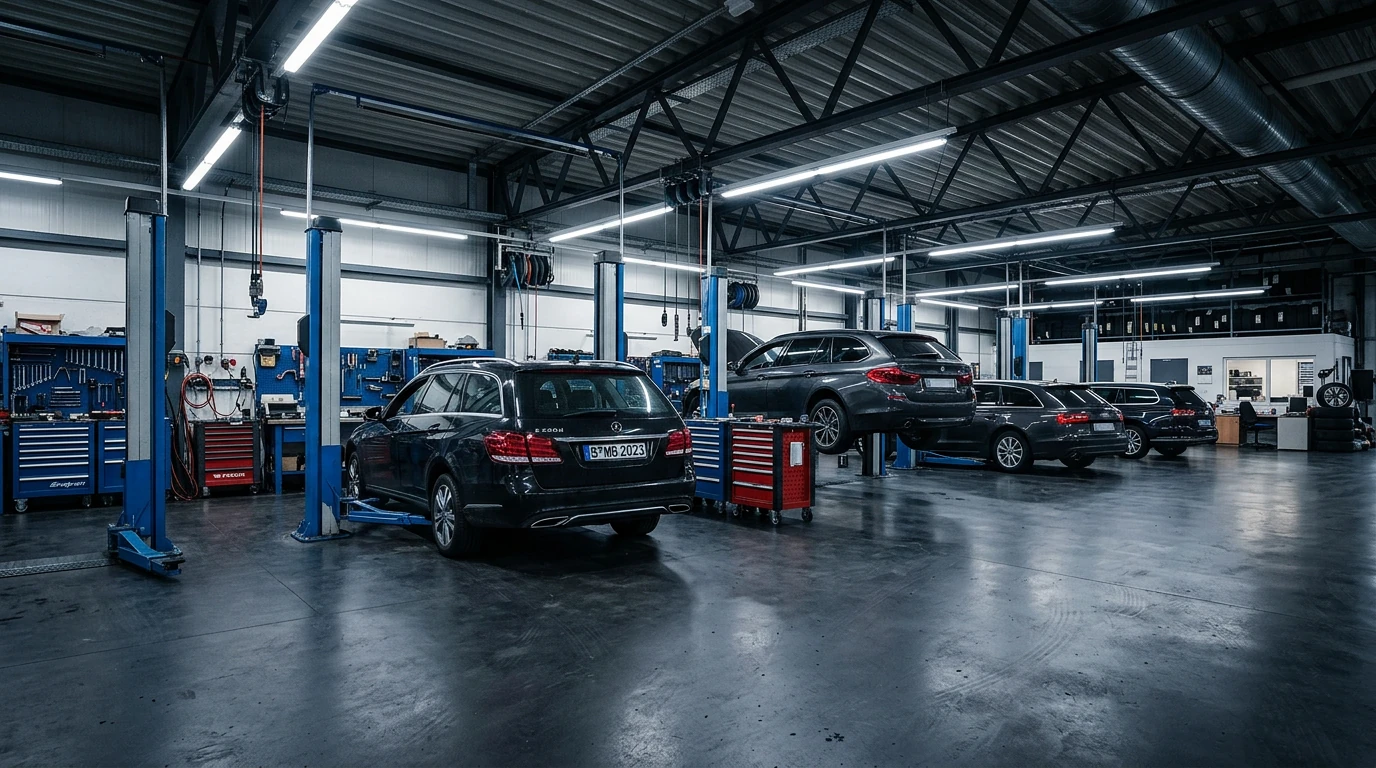
The best inquiry is not necessarily the one that arrives cheapest. It is an inquiry for work your workshop can competently perform, at a time it can realistically accept, from a customer who understands the next step. Local marketing should help create that match.
Begin with the service proposition and the booking process before buying more traffic. Advertising a service that the shop regularly declines, or directing customers to a form nobody checks, can create frustration instead of useful demand.
Describe the work you actually want
Write a short description of your main services, vehicle coverage, location and practical boundaries. Be specific enough that a customer can decide whether to contact you. Avoid implying specialist training, certifications or equipment you do not possess.
For example, a shop may welcome routine maintenance for a particular vehicle group but refer advanced work elsewhere. Explain that distinction without making the service page a technical manual. Keep operating hours, contact details and booking expectations consistent wherever the business maintains a listing.
Make the website answer the first questions
A local customer should be able to find where you are, what you work on, how to request service and what happens next. Use genuine photographs with permission and accurate descriptions of your business. Do not present generated or stock photographs as evidence of your facilities or team.
Explain whether a booking request is immediately confirmed or requires an advisor’s response. If you provide a contact form, assign responsibility for reviewing it and a realistic follow-up process. A promise of an instant appointment is inappropriate when the schedule still needs a capacity check.
Publish useful answers, not generic volume
Choose questions that customers regularly ask before a visit: what information helps with an intermittent concern, how diagnostic authorization works, or what to bring for a fleet account. Answer within your competence and avoid presenting generic content as vehicle-specific repair advice.
An article can direct readers toward the appropriate assessment without guaranteeing a diagnosis. Link relevant pages together so someone researching a topic can find the next useful step. Keep outdated offers and claims under review instead of leaving them online indefinitely.
Ask for honest feedback consistently
Invite customers to share their genuine experience without dictating the rating or writing a review on their behalf. Follow the review platform’s rules and applicable requirements. Do not create reviews, selectively suppress legitimate criticism or disclose private job details when responding publicly.
A negative review should prompt a calm invitation to investigate through an appropriate contact channel. Explain what you can establish from the record, and avoid arguing about sensitive details in public. Your service recovery and retention process should support the response behind the scenes.
Measure suitable work, not only attention
Track inquiry source where the customer can reasonably provide it, then connect inquiries to booked and completed jobs. Keep the definitions simple and recognize that attribution can be incomplete. A phone call, website visit and recommendation from a friend may all contribute to one booking.
In an illustrative campaign review, many inquiries may concern a service you do not offer. The answer is not necessarily more advertising. Improve the targeting and service description, then review whether the mix becomes more appropriate. Consider the cost and capacity required to serve the resulting work.
Match promotion to operational readiness
Before launching an offer, check available capacity, parts requirements, the exact scope and any restrictions. Ensure advisors can explain the same terms the customer saw. Connect the campaign to a capacity-based schedule so successful promotion does not become a queue of disappointed customers.
Start with an audit of your contact details, three key service pages and the last ten inquiries. Fix the clearest mismatch first. When discussing SaSa Shop OS, ask which customer and workflow requirements are currently supported. Do not treat the website as evidence of connected advertising, review automation or marketing integrations.