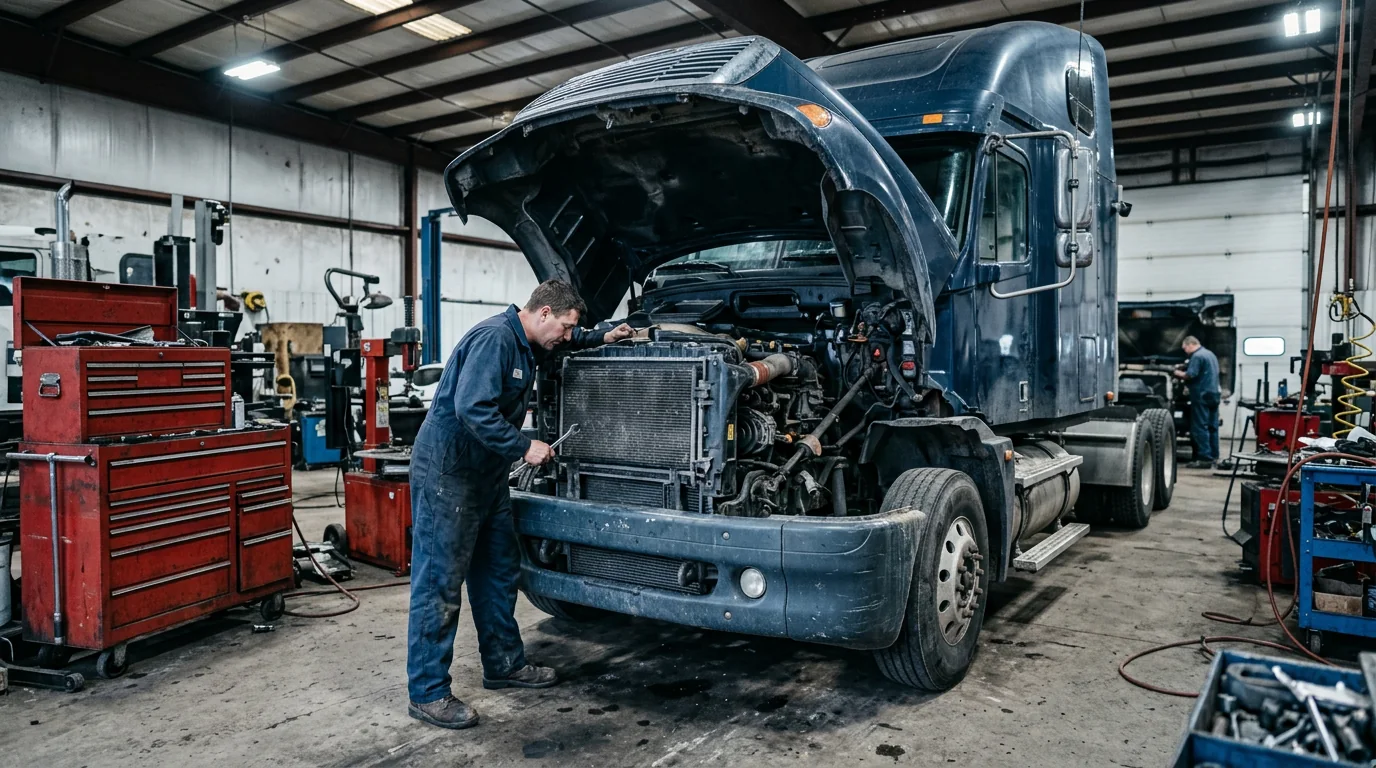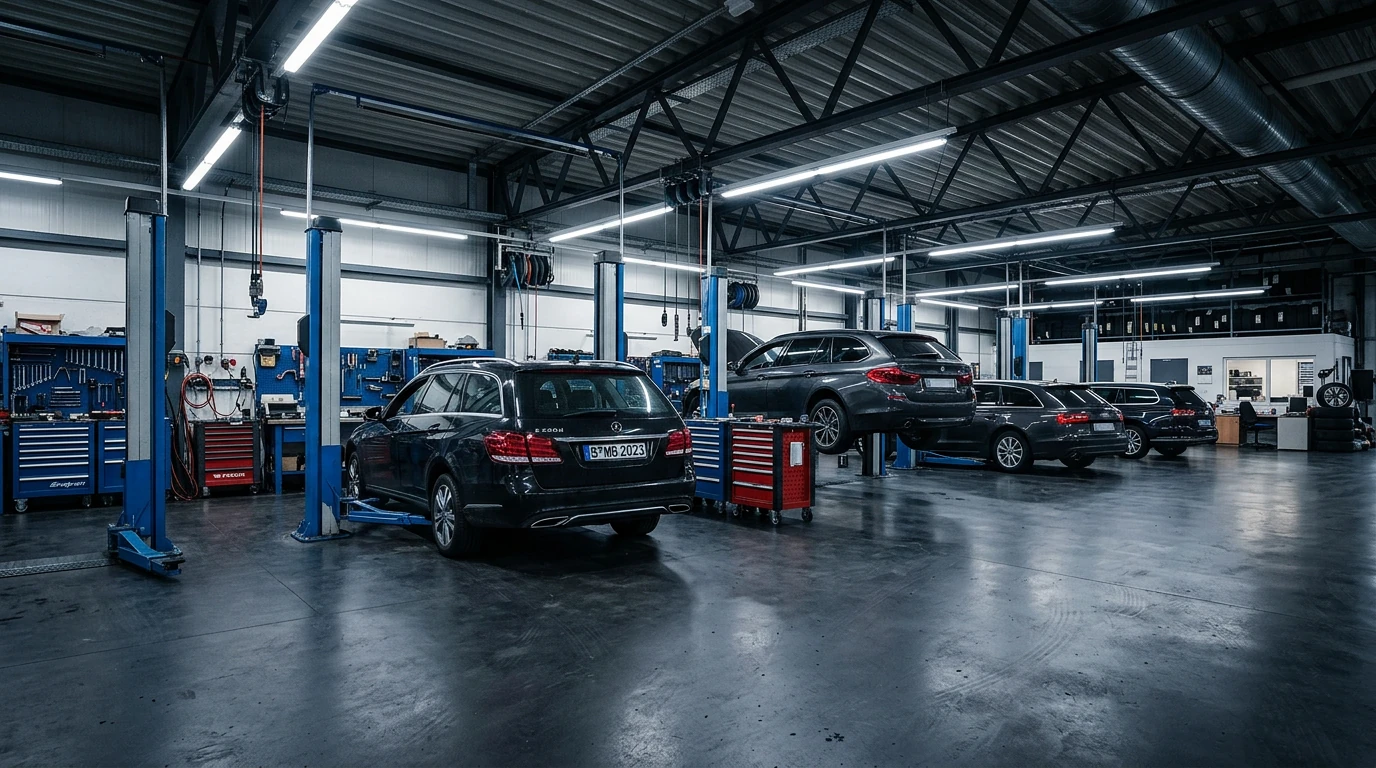
A diesel diagnostic job often starts with incomplete information: a driver remembers a warning, a dispatcher needs the vehicle back and an earlier repair is described only as “someone changed a sensor.” Ordering another part does not resolve those gaps.
A better intake preserves the operating story and defines the first authorized assessment. It helps a qualified technician choose the appropriate vehicle-specific diagnostic process without turning an advisor into a remote diagnostician. This guide is about information and handoffs, not fuel-system testing, regeneration or emissions-system repair instructions.
Identify more than the fleet unit number
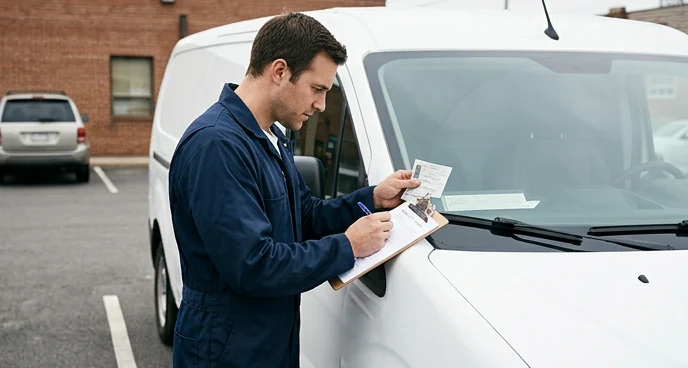
Record the vehicle identification, the customer’s unit reference and the relevant engine or equipment identifiers required for the job. Distinguish a tractor, trailer and fitted auxiliary equipment where applicable. Confirm that the paperwork matches the asset physically presented.
Ask whether major components or software configurations have changed. Do not assume a chassis identifier describes every later replacement. The vehicle-identification guide explains how to separate identifiers and retain uncertainty instead of forcing an incomplete lookup into a supposedly definitive record.
Capture the conditions around the concern
Ask the driver when the issue occurs: at startup, during particular operating conditions, intermittently or after another event. Record their wording, relevant dashboard messages and whether photographs or existing reports are available. Distinguish the driver’s observation from someone else’s suggested cause.
Ask about recent service, fueling, fluid additions, towing and previous diagnostic work where relevant. Avoid leading questions that turn a possibility into a fact. “Customer reports concern began after last service” is more defensible than recording that the service caused it without evidence.
Preserve existing information before changing the state
Gather available fault reports and prior repair records for the technician. Let the qualified technician determine what data to capture and what changes are appropriate under the applicable diagnostic procedure. Do not make clearing warnings or resetting systems an automatic intake action.
An illustrative fleet vehicle may arrive after several unsuccessful interventions. A useful handoff includes the sequence, dates, parts replaced and available results—not simply the latest code description. This can help avoid repeating work without understanding what earlier steps established or failed to establish.
Authorize a bounded investigation
Describe the initial diagnostic scope, charge, approval limit and update point. Explain that identifying a fault is not the same as quoting a known repair. Name the fleet contact who can approve additional work and a backup if that person is unavailable.
If testing depends on particular equipment, conditions or specialist access, communicate that dependency before promising release. Use the heavy-duty workflow guide to connect technical assessment with dispatch, purchasing and accounts-payable contacts. Urgency should change communication priority, not the evidentiary standard.
Keep emissions work within lawful boundaries
Record requests involving emissions equipment accurately and route them to the competent lead. Do not offer removal or defeat of required controls as a shortcut to resolving a warning or returning the vehicle to service.
For U.S. operations, EPA’s air-enforcement guidance explains the Clean Air Act restrictions on tampering and defeat devices. Confirm the rules applicable to the actual vehicle and jurisdiction. Use current manufacturer procedures and qualified personnel for any assessment or repair; a customer’s authorization does not override those requirements.
Close the assessment with a clear next decision
Summarize what was tested, what the evidence supports, what remains uncertain and the proposed next step. Keep diagnostic findings separate from optional work or unrelated maintenance. If another provider takes over, transfer the relevant records with customer approval and identify any unfinished tasks.
Review a recent diagnostic appointment for missing intake information and delayed approvals. Bring that workflow to a SaSa Shop OS demo and verify current record and communication support. Do not infer diesel diagnostic functions, fault-code interpretation or fleet integrations from administrative software screens.