A wrong part can begin with a correct-looking vehicle description. A fleet unit number may be reused, an engine may have been replaced and a catalog may present several variants under the same model name. Identification needs to remain traceable from intake to ordering.
Build a record that distinguishes the vehicle’s identity from its current configuration and the customer’s own reference. Capture only what is necessary for the work, verify discrepancies and keep the original evidence. A lookup result is a useful input, not a complete account of the vehicle’s history or condition.
Separate the identifiers you are collecting
Record the vehicle identifier, registration where relevant and customer unit reference in distinct fields or clearly labeled notes. For commercial work, determine whether the task also requires engine, transmission, trailer or installed-equipment identifiers. Do not use one asset’s identifier as a shortcut for another.
Confirm which asset the customer has actually presented. An invoice addressed to a fleet account does not establish that the number supplied over the phone matches the vehicle in the bay. The heavy-duty workflow guide explains how asset information connects to contacts and authorization.
Verify transcription against the vehicle
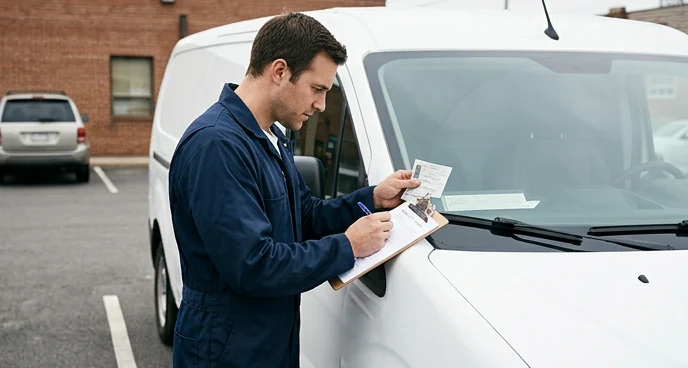
Use the appropriate identification location and a reliable capture method. Check ambiguous characters and mismatches before continuing. If identification is unreadable or inconsistent, stop the affected ordering process and seek appropriate clarification rather than guessing a character that makes the lookup succeed.
Keep a relevant image or source note when useful and lawful, with access limited to those who need it. A later reviewer should understand whether the information came from the physical vehicle, customer paperwork or an earlier record. Those sources may disagree, and the disagreement should remain visible until resolved.
Understand what decoding does not prove
NHTSA’s VIN-decoder explanation describes encoded vehicle information and notes that the displayed data is reported by the manufacturer. Use decoding to support identification, then verify details relevant to the proposed work through appropriate references.
Do not treat a decoded result as proof of ownership, a complete accident history, present mechanical condition or every modification. Those questions require different evidence. Likewise, a successful lookup does not establish that a particular replacement part will fit the vehicle as it exists today.
Confirm configuration for the actual part
Identify the attributes the supplier or manufacturer requires: the relevant component variant, build information or equipment specification, depending on the job. Check current fitted components where the approved procedure requires it, especially if replacements or modifications may have changed the original configuration.
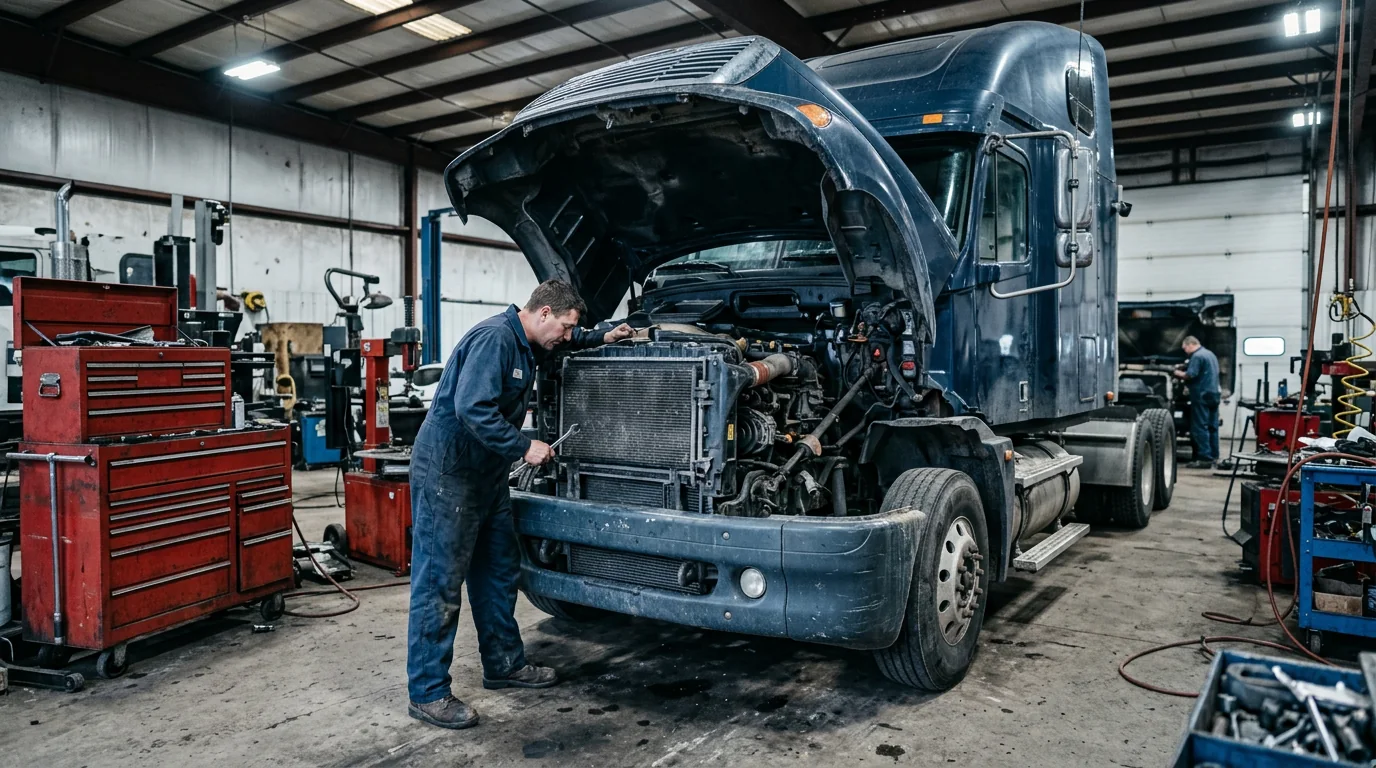
In a hypothetical truck repair, the chassis lookup and a replacement engine’s identification may lead to different parts options. Escalating that difference before ordering is more useful than deciding that one record must be correct simply because it came from a computer. Retain the basis for the final selection.
Carry verified information into purchasing
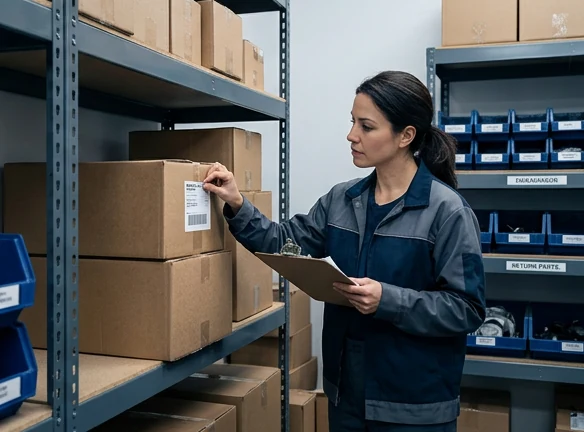
Link the parts request to the job and record the confirmed specification, supplier reference and any approved alternatives. When the item arrives, check it against the order and the intended application before committing to installation. Keep substitution decisions visible.
If a mismatch occurs, record its cause: transcription, catalog ambiguity, supplier substitution, changed vehicle configuration or another reason. The parts purchasing guide provides the order-to-return process. Reviewing the cause helps improve the right step instead of blaming every return on the supplier.
Keep the record useful without overcollecting
Update confirmed configuration information when work establishes it, while retaining the source and date. Limit personal information to what the business actually needs. Vehicle photographs may contain registrations, belongings or other customer information, so include them in access and retention practices.
Audit one recent wrong-part return and trace the identification chain. Bring the resulting field, attachment and export requirements to a SaSa Shop OS discussion. Verify current support; do not assume automatic VIN decoding, history reports, ownership checks or specialist fitment integration from the presence of a vehicle record.